Using Infrared Thermal Cameras a Full Analysis of Data
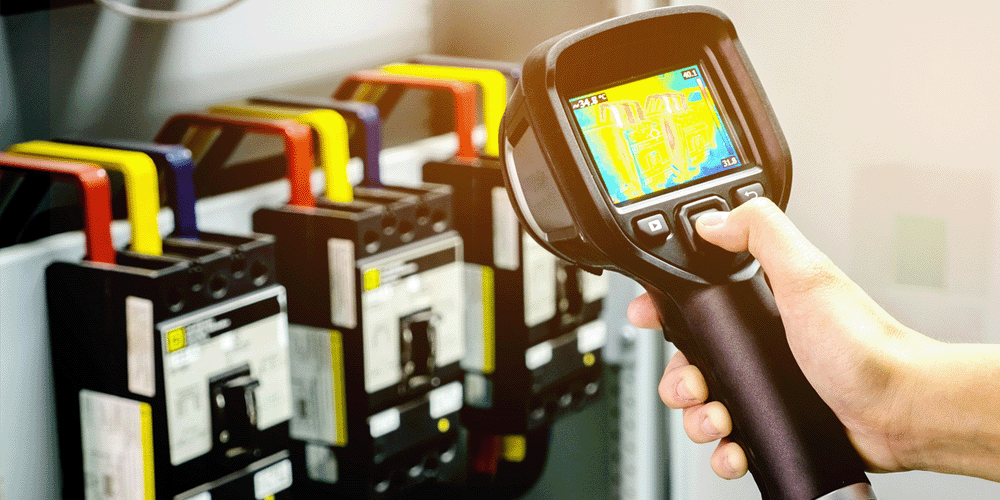
As data analysis changes, using new instruments like infrared thermal cameras has become essential. If you want to get the most out of your work, these tools, especially those from top companies like Uni-T, will help you a lot. Infrared thermal imagers give us important information about things like finding wall leaks, checking air conditioning systems, measuring how well heating works, and finding energy loss.Thermal cameras is a powerful tool for fast, accurate electronics diagnostics. With a quick scan, you can instantly spot overheating ICs or regulators, detect short circuits, identify faulty resistors, capacitors, and MOSFETs, and reveal uneven thermal loads across your PCB.
The Science Behind Thermal Imaging
Infrared thermal cameras and imagers use infrared radiation to record changes in temperature on surfaces. This method is based on the idea that all objects give out infrared energy as heat, which we can't see with the human eye. Infrared thermal imagers turn this radiation into a picture that people can see, which lets them see changes in temperature. Being able to see heat signatures has a lot of uses, such as finding leaks in walls or figuring out how to make HVAC systems work better.Parts of Thermal Imagers
The infrared sensor is the most important part of these devices since it changes infrared radiation into electrical impulses. After that, the signals are processed to make full thermal images. New software makes these images even better by adding color palettes that show temperature differences, which makes it easy to discover problems. This advanced combination of hardware and software gives customers the ability to take accurate temperature measurements and analyses.Uses and Effects
Infrared thermal imagers can be used in many different fields. In construction, they help find places where energy is lost through holes in insulation. They find parts that are overheated before they break down during electrical examinations. These cameras not only make things safer by allowing doctors to identify diseases without having to cut into the body, but they also save a lot of money by stopping major repairs from happening. Their effects are widespread, which makes them necessary in today's data-driven environment.Benefits of Using Infrared Thermal Imagers to Find Faults
Finding Problems Early
One of the best things about employing infrared thermal imagers for fault detection is that they can find problems before they become serious. These devices can find temperature changes that are often signs of problems by recording thermal data. For example, if an electrical part's temperature is a little higher than normal, it could mean that it is about to fail, which would allow for preventative maintenance instead of expensive repairs.More Safety Steps
Infrared thermal imagers make things a lot safer by letting you inspect things without touching them. This is especially useful in places where getting close to things can be dangerous, such high-voltage electrical systems or industrial machines. These technologies keep technicians safe by letting them diagnose equipment from a safe distance, which reduces the number of accidents that happen at work.Full Data Analysis
Because infrared thermal imagers can provide detailed thermal images, you can do a full analysis of the data. You can use these pictures to find specific spots where there are problems, whether they are in heating systems or air conditioning units. The data also provides detailed reporting for further analysis, which helps people make better decisions and plan maintenance more effectively.Affordable Solutions
Infrared thermal imagers help keep costs down by finding problems early and cutting down on the need for human inspections. The technology helps keep equipment running longer and prevents unplanned downtime, which saves organizations a lot of money over time.Finding Leaks in Walls
Infrared thermal cameras have changed the way we find leaks in walls. These cameras let you find moisture problems without having to do anything that could damage the structure, unlike previous methods that might need invasive measures. Infrared thermal imagers can find places where water is getting in by taking pictures of temperature changes on the surface of walls. This exact detection saves time and money on repairs by only fixing the parts that need it.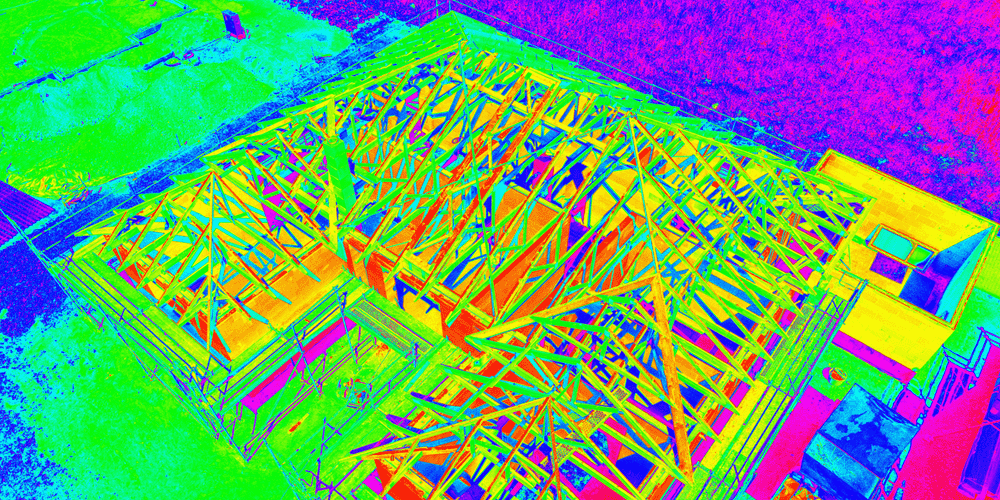
Inspections of Heating and Cooling Systems
To keep air conditioning and heating systems running at their best and using the least amount of energy, they need to be checked on a regular basis. These inspections depend heavily on infrared thermal cameras, which show temperature differences that could mean problems like clogged vents, leaking ducts, or broken parts. You can make sure that systems are working well by being able to see how heat is distributed. This will minimize your energy bills and make your systems last longer.Finding Energy Loss
Both homes and businesses should make energy conservation a top priority. Infrared thermal imagers are very helpful for finding places where energy is being lost, including walls, roofs, or window frames that aren't well insulated. These cameras help you find areas that require work by showing you where the temperature is different. Based on thermal imaging data, taking corrective action can save a lot of energy and help the environment in the long run.Pinpoint Faulty Components
Thermal imaging is ideal to quickly and accurately locates circuit failures creating a quick heat map of your PCB and revealing faults before they're evident to the eye or multimeter. Overheating ICs, stressed MOSFETs, malfunctioning resistors or capacitors, and parts drawing unexpected current stand out immediately, saving diagnosis time even on dense or multilayer boards. Thermal imaging also finds hidden short circuits by exposing localized heat spikes, saving hours of trial-and-error testing and making troubleshooting faster, smarter, and more precise.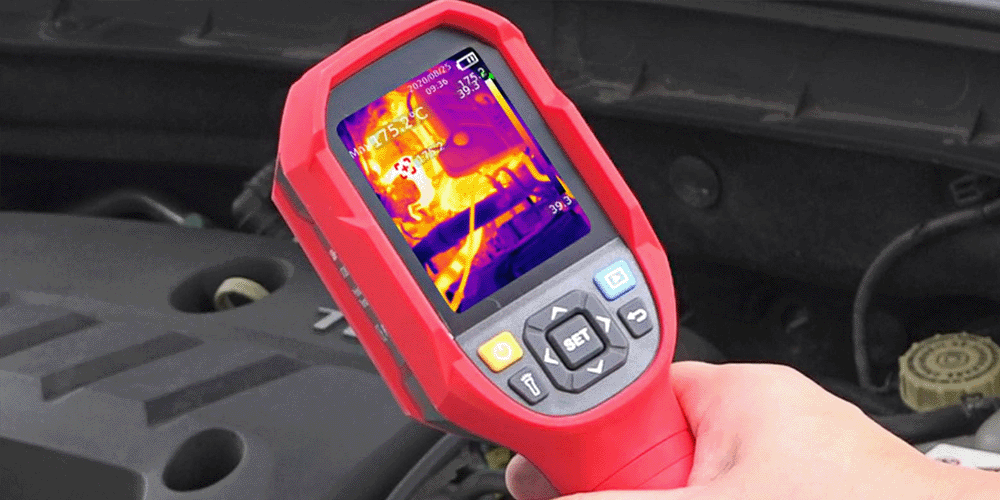
When you use infrared thermal cameras, like those from Uni-T, you open up a whole new world of possibilities for in-depth data analysis in many different fields. These modern technologies allow for accurate thermal imaging and measurement, which makes it easier to find faults and write complete reports. You get vital information that makes your business run more smoothly and saves you money.
About the Author

Ryan Winters serves as Product Manager at Jameco Electronics, an organization based in the San Francisco Bay Area of California, where he was born and raised. A self-directed learner, Mr. Winters dedicates his personal time to refining practical skills through hands-on work with automobiles, computers, and electronic devices, as well as experimental robotics projects. Through these diverse areas of technical exploration and problem-solving, he further develops the analytical and creative abilities that serve him well in his professional role, where he applies expertise gained from years of independent study and tinkering to benefit Jameco Electronics and their customers.