What Happens When Your Power Supply Voltage Is Too High?
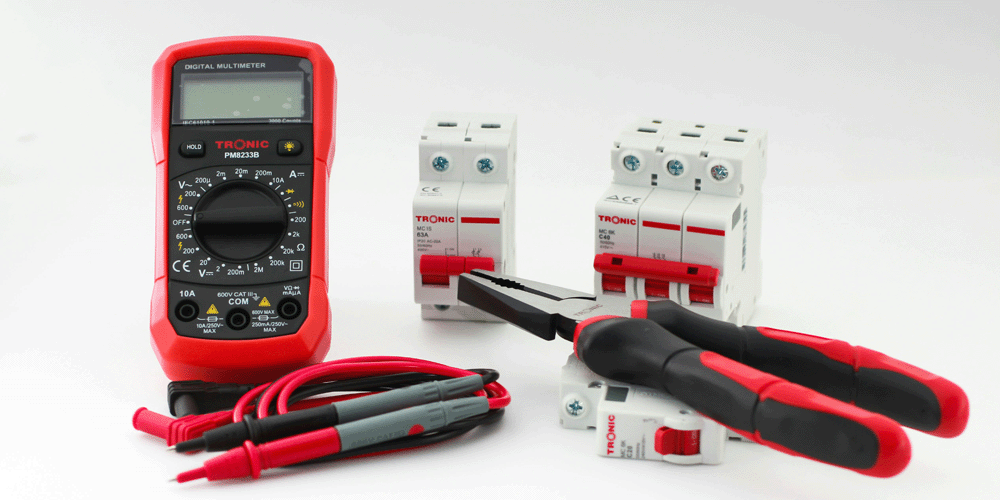
If you’ve ever plugged in a device and noticed something wasn’t quite right, it’s possible that incorrect power supply voltage or even a malfunctioning power supply caused the issue. Understanding the critical role of voltage in electronics is crucial. When you use a power supply with a voltage that’s too high, you’re putting yourself at risk. So, what happens if you use a higher-voltage power supply? Not only can excessive voltage fry delicate components, but it can also pose significant safety risks, potentially leading to overheating, malfunctions, or even electrical fires.
Here, we’ll explore the critical role of proper voltage, the risks of high voltage, and how to ensure safety.
Understanding Voltage and Its Importance
Voltage is the force that drives electricity through your gadgets. It comes in two types: Direct Current (DC), which provides a constant electron flow, like in batteries, and alternating Current (AC), which changes direction repeatedly and is found in wall outlets. Every device requires a specific voltage to function optimally. Too much voltage can damage components, reduce their lifespan due to high voltage stress, and create safety risks. Voltage regulators play a role here in ensuring proper voltage. Always check the device’s label or manual for correct voltage requirements.Dangers of High Power Supply Voltage
When you supply your electronic devices with more voltage than they are designed for, you’re inviting trouble. High power supply voltage can lead to catastrophic outcomes, both for the device and the user. Let’s break down these risks:Component Damage
Exceeding voltage ratings puts undue stress on electronic components. Capacitors, which act as small storage units, can swell, leak, or even explode if subjected to high voltage. Transistors, the switches in the electronic world, can burn out quickly when overloaded, causing permanent damage. Integrated circuits (ICs), which are the brains of your devices, are particularly sensitive and can fail entirely under excessive voltage. Signs of high power supply voltage damage include visible bulges in capacitors, components overheating, and functional failures where parts stop working or behave erratically. Recognizing these signs early can help prevent further damage and ensure the longevity of your electronic devices, especially when you consider what happens if you use a higher-voltage power supply.System Instability and Failure
Voltage fluctuations can destabilize your system, causing erratic behavior like random reboots and unpredictable performance. For instance, high voltage can be the silent culprit behind sudden computer crashes. Prolonged exposure to high voltage increases the frequency of these crashes as components struggle to cope, leading to complete shutdowns when overload protection systems kick in. This scenario isn’t just frustrating but can also result in data loss. Imagine losing hours of work due to an unexpected crash—it’s not just inconvenient, it can be catastrophic. Ensuring stable voltage is crucial for system reliability and protecting your data or DIY project from unexpected failures.Safety Hazards
High power supply voltage isn’t just harmful to devices; it’s a significant safety risk. Excessive voltage compels components to draw more power than they can handle, resulting in overheating. For instance, leaving a USB charger plugged in too long might make it warm, a minor example of what high voltage can cause on a larger scale. In extreme cases, faulty power supplies coupled with high voltage can become a disaster waiting to happen. Sparks and excessive heat from such scenarios can easily ignite fires. To mitigate these risks, always use certified power supplies that are tested for quality and safety, and match the voltage to your device’s needs to ensure safe, smooth operation.Mitigating the Risks

When dealing with high power supply voltage in electronic devices, you must learn how to mitigate associated risks to help prevent damage and ensure the safety of your devices and surroundings.
Using the Correct Power Supply
Getting the correct power supply and adapter for your electronics is crucial. Matching your device’s voltage requirements with the supplied voltage ensures safe and efficient operation. Every electronic device comes with a rated voltage. Using a higher voltage than recommended can fry delicate components and cause devices to overheat, potentially leading to short circuits or electrical fires. Applying a voltage that is too low can also result in poor performance or complete failure of the device. Always adhere to the rated voltage specifications outlined by the manufacturer to ensure smooth and safe electronics operation.Surge Protection
A surge protector is essential for safeguarding your electronics from unexpected power supply voltage spikes. It directs excess voltage away from your devices to ensure they receive a steady and manageable amount. They work by clamping down on excess voltage, preventing it from reaching your electronic devices, and handling minor daily spikes to prolong their lifespan. Using a surge protector provides peace of mind, knowing your gadgets are protected from potentially severe damage or fire hazards. This becomes especially important when you consider what happens if you use a higher voltage power supply, as surge protectors help mitigate those risks.Explore More Electronic Lessons at Jameco Electronics
Managing power supply voltage correctly is essential for electronic devices and design-and-build projects. Proper measures not only ensure component health, system stability, and overall safety but also extend the lifespan of your devices. By adhering to manufacturer guidelines, using certified power supplies, and implementing surge protectors, you’ll be well on your way to a safer and more dependable experience. Want to learn more about electronics? Explore our Learning Center at Jameco Electronics.About the Author

Ryan Winters serves as Product Manager at Jameco Electronics, an organization based in the San Francisco Bay Area of California, where he was born and raised. A self-directed learner, Mr. Winters dedicates his personal time to refining practical skills through hands-on work with automobiles, computers, and electronic devices, as well as experimental robotics projects. Through these diverse areas of technical exploration and problem-solving, he further develops the analytical and creative abilities that serve him well in his professional role, where he applies expertise gained from years of independent study and tinkering to benefit Jameco Electronics and their customers.